
Though the other two methods are used less frequently, they are still important to understand. We briefly touched on one depreciation example above, but let’s take a deeper dive, this time using a different depreciation method. In this guide, we’ll discuss the basics behind amortization and depreciation, how each method differs, and share some real-world examples. Incorporating these strategies into your financial planning will help you manage your assets proactively and make informed decisions that support your business’s sustainability and growth objectives. Always consult with a financial advisor to tailor your plan to your specific business needs and goals.
Financial planning and budgeting
- While amortization sounds like a term in the funerary industry, it’s actually a business and accounting term, like depreciation.
- Failure to do so can result in misstated financial statements and potential legal consequences.
- Amortization is usually done using the straight-line method, where the same amount is expensed yearly.
- So instead of saying the full $30,000 is gone in the year it was bought, the company spreads that cost out over several years—maybe five.
- Goodwill is not amortized, but it is tested for impairment annually.
The amortization method for intangible assets follows similar principles to tangible assets, spreading the asset’s cost over time to reflect its declining value. At the end of every financial year, it is essential to calculate the company’s asset value for normal balance the essential annual reports and tax purposes. There are two ways to calculate this value; depreciation and amortization.
Understanding Amortization
Fixed asset depreciation Depreciation of fixed assets is an essential accounting principle, relevant for tax considerations and compliance with global … The most common is straight-line depreciation, where the cost is the same each year. But sometimes companies use other methods where the value drops faster in the early years.
Calculation methods
Intangible assets will be amortized, and tangible ones will be depreciated. In both cases, however, the rationale for their treatment shall be directed towards the matching principle, thus properly aligning amortization vs depreciation the expense against the revenues. Amortization writes off the cost of an intangible asset over its useful life, while depreciation tracks loss in value for tangible assets.
SOX Software
Depreciation is the gradual writing of the value of an asset off the balance. I.e. the purposes behind the application of these concepts are different. Double declining balance is another option for accelerated depreciation. It helps you spread out these costs instead of taking one big financial hit. For example, a company is incurring the cost of purchasing a delivery truck for $60,000 that will have a 5-year useful life.
Account
- It uses Depreciation Rate decided as per accounting standards and is applied on physical assets.
- ” These two accounting terms might sound complicated but are really just about spreading out the cost of your business purchases over time.
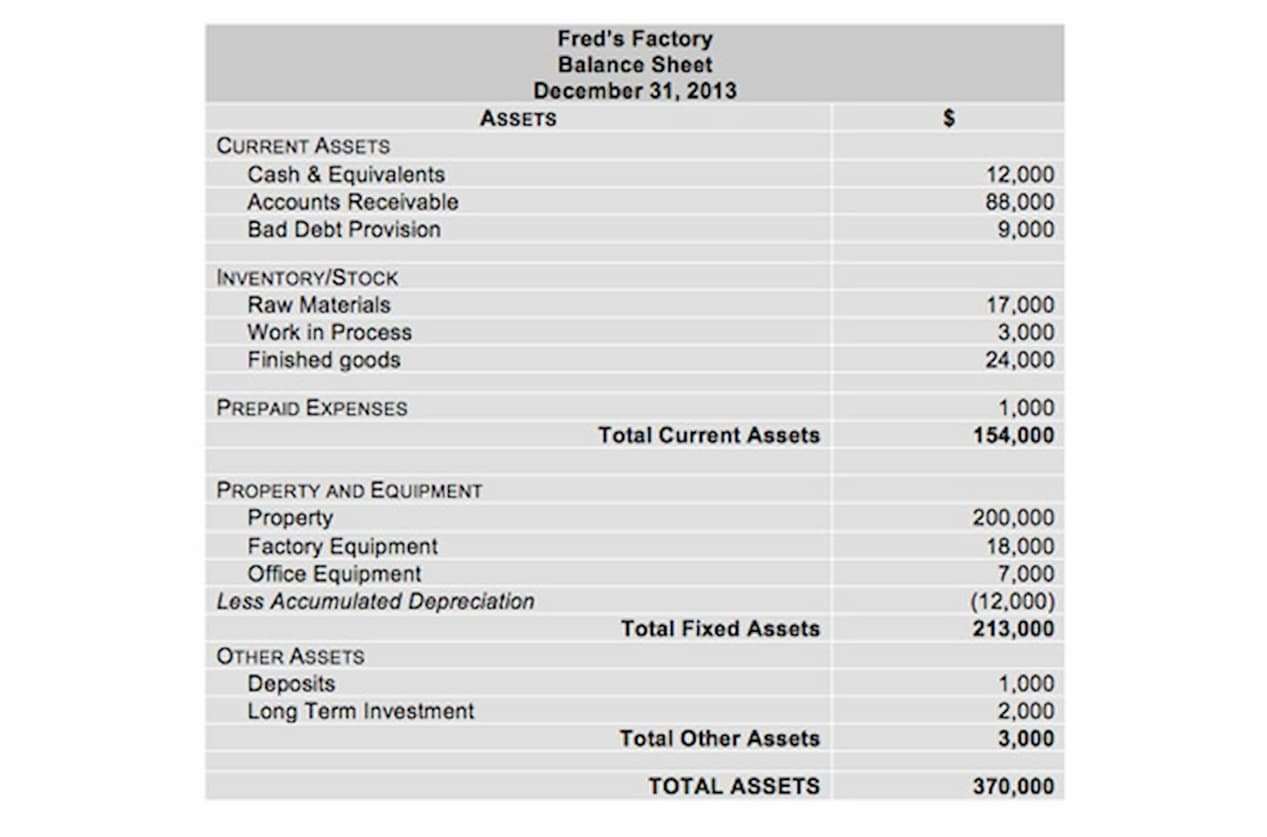
- The reduction shows on the company’s balance sheet as a smaller asset value each year.
- Ramp’s AI-powered accounting tools handle everything from transaction coding to ERP sync, so teams close faster every month with fewer errors, less manual work, and full visibility.
With this method, the company depreciates the asset by the same amount every year. Note that some assets have a zero or near-zero salvage value because the company expects to use the asset until Payroll Taxes it can be used no more. Straight line, Diminishing value, etc. are a few of the various methods to charge depreciation. The two components to calculate loan amortization are the principal and interest. The remaining principal, or loan balance, must be paid back in full by maturity, or else the borrower is in a state of default (and is now at risk of becoming insolvent). For example, the section where the D&A expense is recognized is highlighted in the screenshot below of Alphabet’s income statement.

- Each method reflects different assumptions about the asset’s usage and how it provides value to the business over time.
- You can calculate amortization using the straight-line depreciation method.
- Backed by 2,700+ successful finance transformations and a robust partner ecosystem, HighRadius delivers rapid ROI and seamless ERP and R2R integration—powering the future of intelligent finance.
- A proprietary process is an intangible asset that arises from a company’s unique way of producing a product or providing a service.
No business can run without owning an asset, as it generates economic returns and revenue over its life. Therefore, it must be depreciated or amortized in the books of accounts to recognize its true value. Companies use methods like depreciation or amortization to depreciate the asset over its useful life. Software is an example of an intangible asset that can be depreciated instead of amortized. Unlike a fully amortized intangible asset, a fully depreciated fixed asset often does have a resale or salvage value. When you’re planning for asset depreciation and amortization, you’re essentially preparing for the future.
دیدگاهتان را بنویسید