
Whoa! That first time you chase a token on Solana and the numbers don’t add up—yeah, been there in spirit. Really? Tokens with identical names, wallets that appear and disappear, fees that spike for no obvious reason. My instinct said something felt off about a few token pages I skimmed; it wasn’t just me. Initially I thought token explorers were all the same, but then I dug in and realized they’re not — and that difference matters when you’re tracking value, liquidity, or potential rug signals.
Here’s the thing. A token tracker is more than a pretty chart. It’s a forensic tool. Use it right and you can answer: who’s holding most of the supply? Where did that large transfer go? Is this token actually the one the project claims? On Solana, that means looking past symbols and focusing on the mint address, transaction history, and verified metadata (when present).
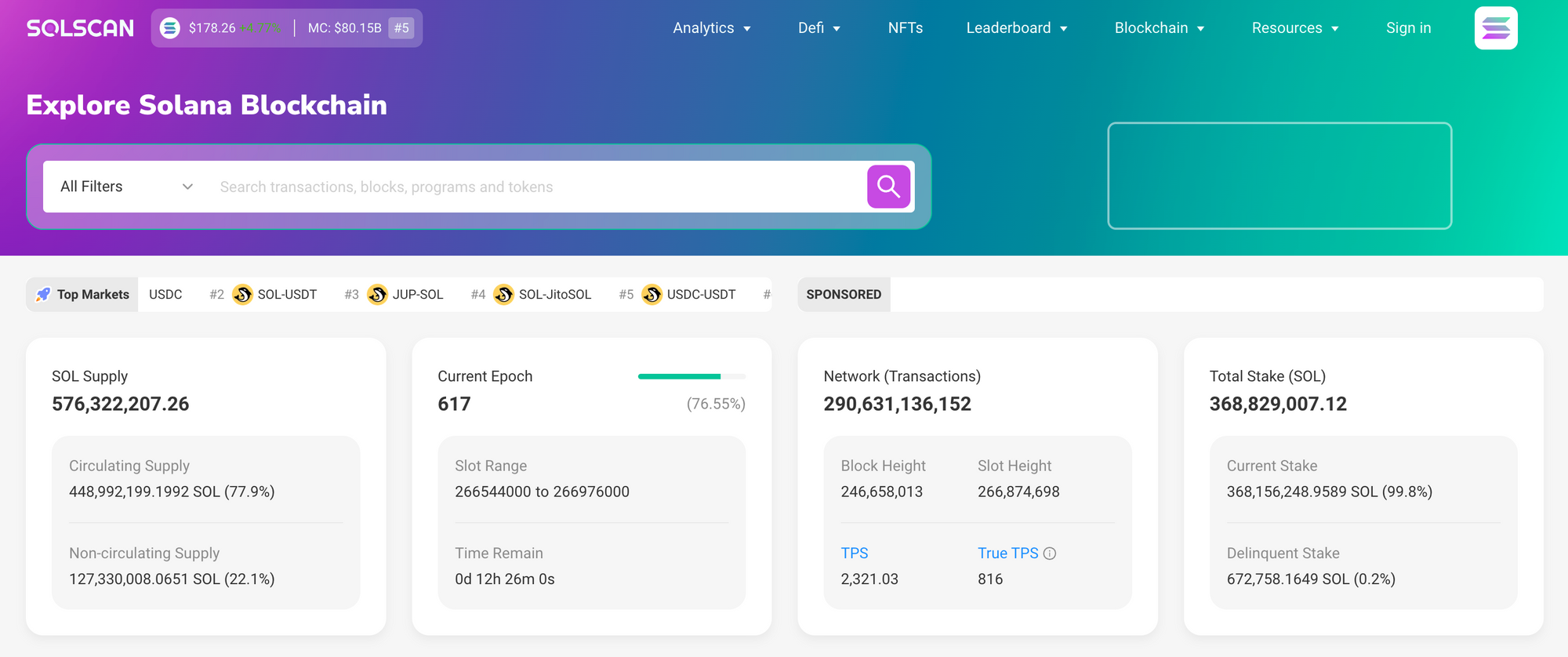
Okay, so check this out—Solscan (the explorer many Solana users land on) does a solid job surfacing those details. It gives a token overview, holder distribution, recent transfers, and program interactions in plain sight. But it’s not perfect. Sometimes metadata is missing or stale. Sometimes tokens are impersonated by similar names. That bugs me, honestly. I’m biased toward checking raw transaction data before trusting a project’s PR—keeps you safer.
How to use a token tracker effectively
Start with the mint address. Not the symbol, not the project’s Twitter link—use the address. Paste it into the explorer’s search. Look for the token page that shows supply, decimals, and the mint authority. Then scan the holders list. If one wallet controls a huge chunk of supply, that’s a red flag. If transfers show repeated small sells into DEX accounts, that tells a different story. Hmm… it’s subtle, but habit helps — and habit beats guesswork.
Look at transfer timing too. On Solana, near-instant confirmations can mask coordinated activity. Large dumps often happen in compressed bursts. Also check which programs are being invoked in token transfers; that can reveal whether a token is being routed through unfamiliar bridges or sticky contracts. On one hand, program interactions are routine. Though actually—when you see weird programs popping up in transfers—somethin’ is up.
Another practical tip: use analytics views to watch holder concentration over time. If top holder percentages are dropping while liquidity pool balances grow, that can indicate legitimate distribution. If both stay static and only a couple wallets transact, beware. Export or screenshot the data if you need to keep evidence (oh, and by the way—record timestamps).
Where Solscan fits in your toolbox
Solscan gives you instant looks at token pages and visualizes holders and transfers, making on-chain sleuthing faster. For many users, that’s enough to detect basic red flags. For deeper dives you pair it with trade data, DEX orderbooks, and cross-checks on other analytics sites. Use this link as a starting point for the explorer: https://sites.google.com/cryptowalletextensionus.com/solscan-explorer-official-site/
Seriously? Yes. Bookmark it. But don’t stop there. Check contract/program verification when available. Read on-chain logs for unusual program calls. Compare token transfers against on-chain price movements. Initially I thought that was overkill, but after a few surprises I changed my workflow—slow, careful checks first, trading later.
Here’s what often trips people up: token names and icons. Projects can copy them easily. Your brain sees a familiar logo and trusts it. Don’t. Always compare the mint address and check the project’s official channels for links to the exact address. If the project hasn’t published it, that’s a sign to pause.
Common signals of trouble
– Highly concentrated supply in few wallets.
– Rapid, repetitive transfers to unfamiliar accounts.
– New tokens with no verified metadata.
– Token-only accounts created minutes before a big transfer.
– Liquidity that appears then vanishes (very very fast).
On the flip side, patterns that suggest legitimacy include verified metadata, transparent audit links shared by the project, liquidity locked in verifiable contracts, and a healthy mix of holder sizes. But again, none of these are guarantees—just pieces of a puzzle.
FAQ
What exactly does a token tracker show?
It shows the mint information (supply, decimals), holder distribution, recent transfers, and associated program interactions. Often you’ll also see token metadata and any verified flags the explorer displays. Think: a ledger slice and a few interpretive charts—useful if you know what to look for.
Can I rely solely on Solscan for security checks?
No. Use it as a primary quick-check tool, but cross-reference with DEX data, project announcements, and other analytics. If a transfer looks odd, trace the flow: find where the tokens end up and whether they’re being sold on known liquidity pools.
How do I spot impersonation or fake tokens?
Always compare mint addresses, check for verified metadata, and verify links from the project’s official channels. If the project link points to an address that doesn’t match the explorer listing, that’s an immediate red flag.
I’ll be honest—blockchain explorers aren’t glamorous. They can feel dry. But they give you leverage. Use them like a microscope: zoom in, take notes, and don’t let shorthand names fool you. Something I keep telling folks: trade with skepticism, and verify everything twice. Not elegant, but it works.
دیدگاهتان را بنویسید