
Okay, so check this out—I’ve been fiddling with hardware wallets for years. Wow! At first it felt like overkill: tiny devices, seed phrases written on paper, and the constant worry about losing keys. My instinct said: there has to be a simpler way. Seriously?
Here’s the short version: NFC card wallets—think plastic cards you tap with your phone—are quietly solving the usability puzzle without throwing away cold storage principles. They feel familiar. They fit in a wallet. They don’t scream “crypto nerd” at the grocery store. But are they secure? On one hand they’re convenient, though actually the security model changes slightly. Initially I thought convenience would mean compromise, but then I tried a Tangem-backed workflow and realized the trade-offs are smaller than I expected.
First impressions: the Tangem concept is tidy. Each card is a tamper-evident, NFC-enabled smartcard that holds a private key inside a secure element. You tap the card to your phone, the card signs a transaction, and nothing ever leaves the secure chip. Hmm… something felt off about the marketing-speak at first—too neat—yet in practice the crypto stays off the phone. The phone acts as an interface only.
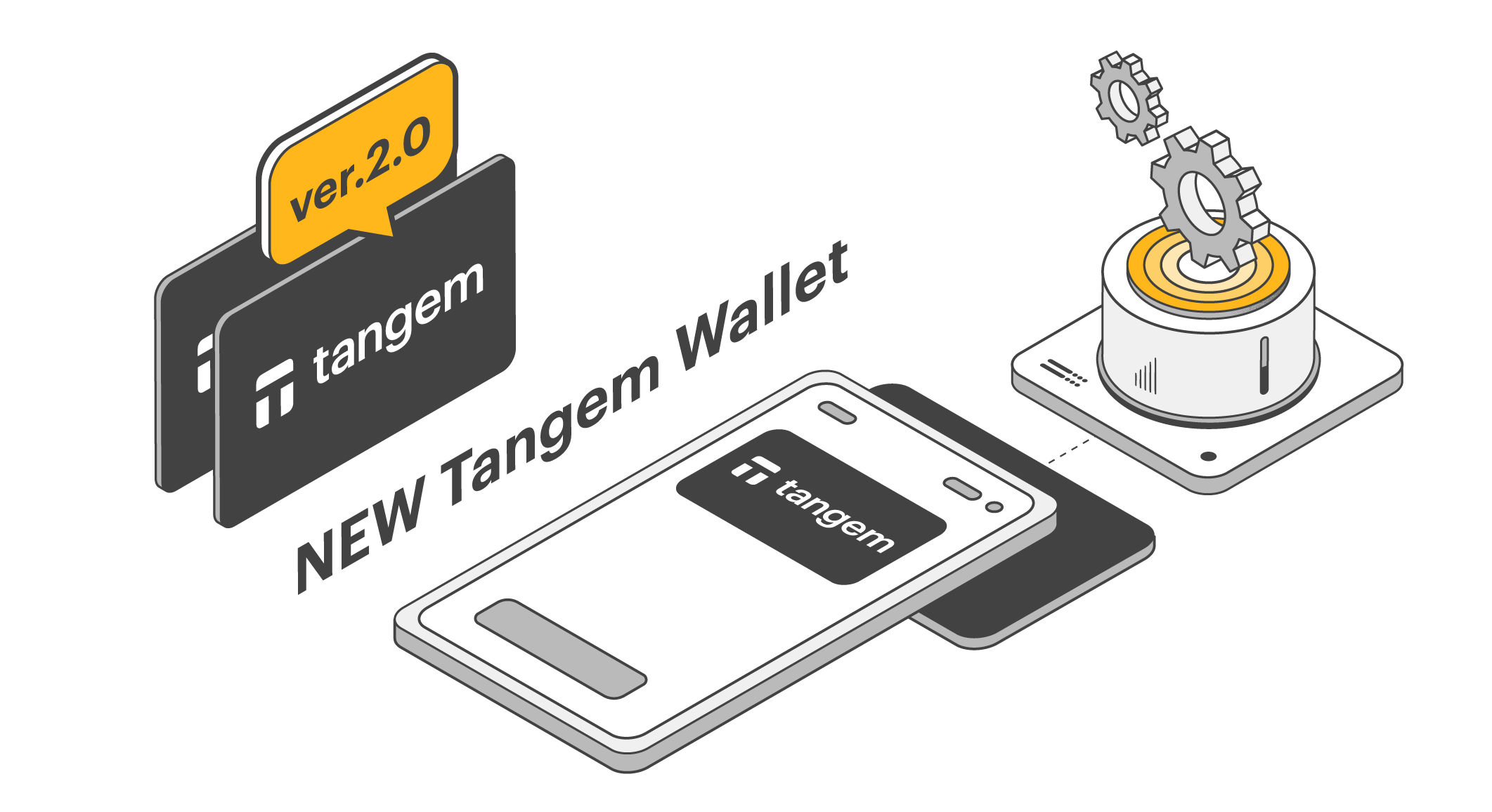
How the Tangem app + card combo actually works
At a high level: the card generates the private key on-chip, it never exposes that key, and the app asks the card to sign transactions over NFC. Short answer: non-custodial cold storage, with smartphone UX. My first tap felt oddly satisfying. Whoa!
Technically, the signing happens inside the secure element on the card. The phone sends unsigned transaction data; the card signs and returns the signature. The Tangem app orchestrates that handshake, displays the details to you, and helps push the signed transaction to the network. Initially I thought I’d need to be a tech wizard to set this up, but the app guided me step-by-step. Actually, wait—let me rephrase that: the app made the basics approachable, but for complex multi-asset setups you still need to be careful.
I’m biased, but usability matters. If people won’t use a secure option because it’s clunky, then it’s not secure by virtue of low adoption. Tangem nails the balance for many everyday holders: good security, low friction, and a physical object you can carry. That said, the security assumptions are different than a seed phrase in a safe. If you lose the card and don’t have a backup, you’re toast. So plan backups.
Setting it up—practical steps I took
Step one: unbox the card and verify the tamper seal. Step two: open the Tangem app and follow the pairing prompts. The app asks you to tap the card. Tap. Confirm the card’s public key and metadata. Tap again. Done. Simple. But don’t rush—make sure the card UID and displayed fingerprint match the card packaging (if provided).
One thing that bugs me: some people skip reading the small text during setup. Don’t be that person. Your phone will prompt confirmations; read them. The app will also guide optional backup strategies. For higher value holdings I used two cards: a primary card and a secondary backup stored separately (bank safe deposit box for one, personal safe at home for the other). This is redundancy, not redundancy for redundancy’s sake.
Curious about the broader ecosystem? The tangem wallet integrates into that flow—it’s the interface you use for signing and for managing card metadata. The app supports multiple assets, and it updates to add new chains over time. On some chains you’ll need an additional compatible app or a bridge. Not perfect, but improving.
Security trade-offs and practical mitigations
On one hand, the card’s secure element is very hard to extract keys from. On the other hand, a single-card model means single point of physical failure. My working approach: treat the Tangem card like a bank vault key, not like cash. Keep one card accessible for daily use (with modest amounts), and keep a backup locked away. If you prefer higher assurance, use an air-gapped multisig setup or pair Tangem cards into a multisig scheme—yes, that’s possible but a little more advanced.
Also—keep firmware up to date. The Tangem app will push updates; accept them when you can, after confirming release notes. Don’t install random modified apps. Also, don’t share the card’s public details in public forums. These are obvious things, I know, but people still do dumb stuff. I’m not 100% sure how often people forget keys versus get phished, but both happen.
Another angle: physical attacks. Cards are tough, but not invincible. Tamper-evident packaging is helpful; if you receive a card that seems off—return it. And if you ever spot unexplained activity, treat it with urgency: remove the card from circulation, move funds to a new key, and investigate.
Real-world usability—what surprised me
I expected Bluetooth frictions. There were none—NFC is quick and private. Tap, confirm on phone, done. Great for coffee-shop wallet checks. The app’s UX really removes the intimidation many non-technical friends feel around cold storage. That surprised me. On the flip side, offline signing with QR-only flows still has a niche advantage if you want no wireless at all.
Sometimes the app will show network fees that feel high. That’s not Tangem’s fault; that’s the blockchain. The app does a decent job explaining fee choices. Also, cross-device compatibility is fine: Android and iOS work, though there are minor differences in NFC behavior across phone models (oh, and by the way… some older phones are clunky). Don’t buy the cheapest phone expecting flawless NFC every time.
When to pick a Tangem-style card versus a traditional hardware wallet
Short checklist: If you want minimal fuss, a pocketable card, and a familiar phone-first experience—use the card. If you need advanced multisig, air-gapped operations, or hardware isolation with a full display-driven UI, a Ledger or Trezor might be a better fit. Mixed approaches make sense too: a Tangem card for daily use, plus a proper multisig cold vault for your core stash.
My tactic now is practical layering: smaller fungible assets I move with the card. Larger holdings live in a multi-signature vault. That sounds like extra work, but in practice it’s manageable and it gives peace of mind. There’s no one-size-fits-all here; risk tolerance and technical comfort guide the choice.
FAQ
Is the card truly “cold” storage?
Yes. The private key never leaves the secure element on the card; signing happens on-card. The phone only receives signed transaction data. That said, “cold” doesn’t mean immune—it’s about reducing attack surfaces. Treat the physical card as a critical secret.
What happens if I lose the card?
Without a backup, the assets linked to that card are effectively lost. That’s why Tangem and many users recommend a backup strategy—separate cards, multisig, or secure off-site backups. Plan for loss before it happens.
Can Tangem cards work with other wallets?
Some integrations exist, and the ecosystem is growing. For best results use their app for core flows, and check documentation before assuming compatibility with third-party wallets.
Are there real-world drawbacks?
Yes. NFC issues on some phones, the need for physical backups, and the limitation that the card’s feature set depends on the secure element’s firmware. But for many users the trade-offs are acceptable.
Alright—final thought: I like the simplicity and the tactile assurance of cards. They lowered the activation energy for secure custody in my social circle, which is a win. I’m not claiming they’re the only solution. I’m also not evangelizing blind faith. Use what fits your threat model. If you’re curious, try one with a small amount first. My instinct says you’ll be pleasantly surprised—I’m biased, but then again I’ve done the awkward seed-phrase dance enough times to appreciate a better workflow.
دیدگاهتان را بنویسید